
Innovation thrives at the intersection of practical industry challenges and academic research. Recently, we wrapped up an exciting journey exploring the potential of Large Language Models (LLMs) in the traffic and mobility sector, a milestone made possible through an Innocheque project in collaboration between Viasuisse and the Lucerne University of Applied Sciences and Arts (HSLU).
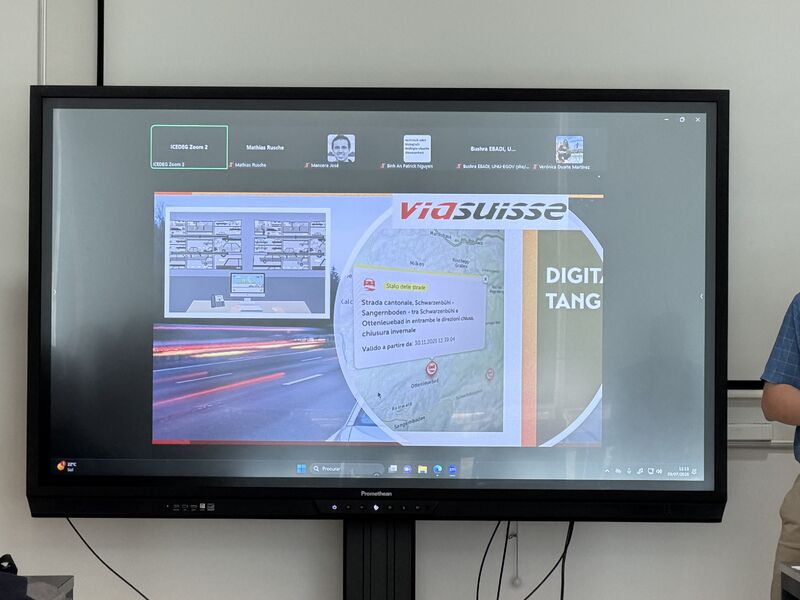
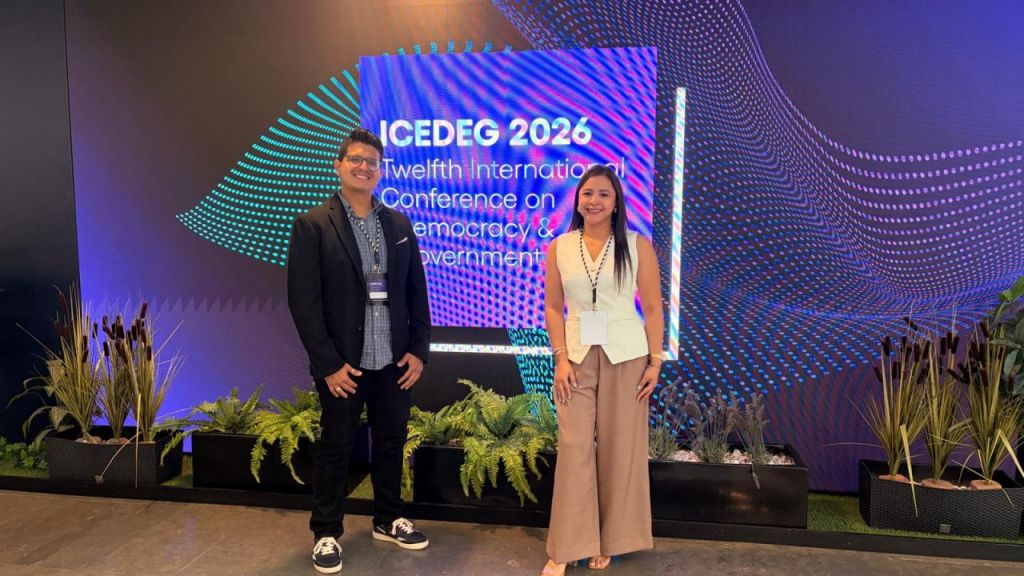
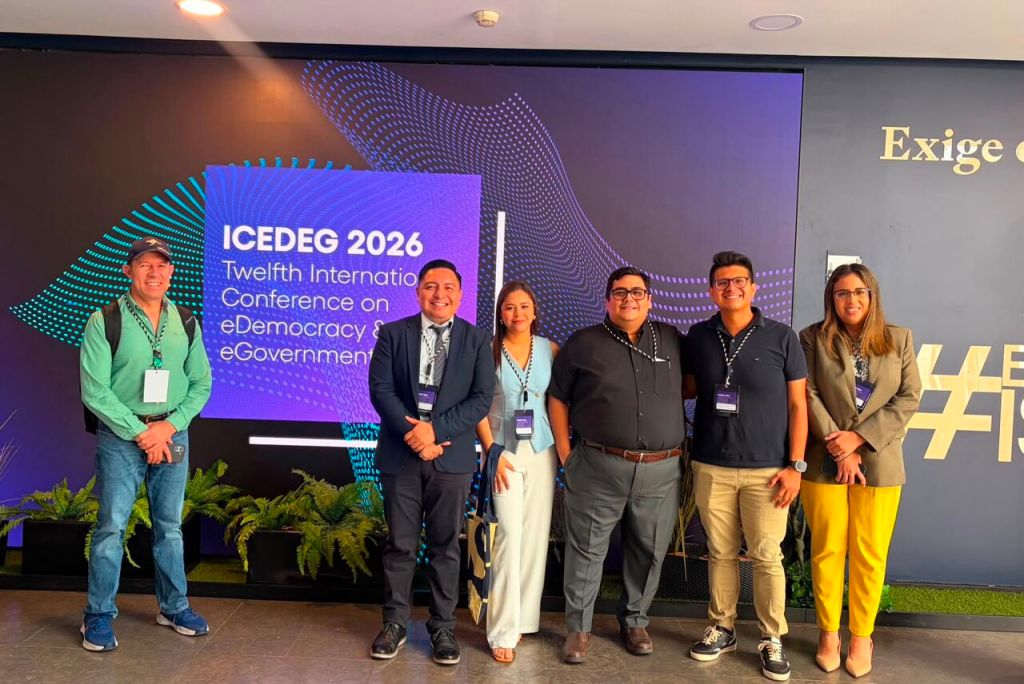
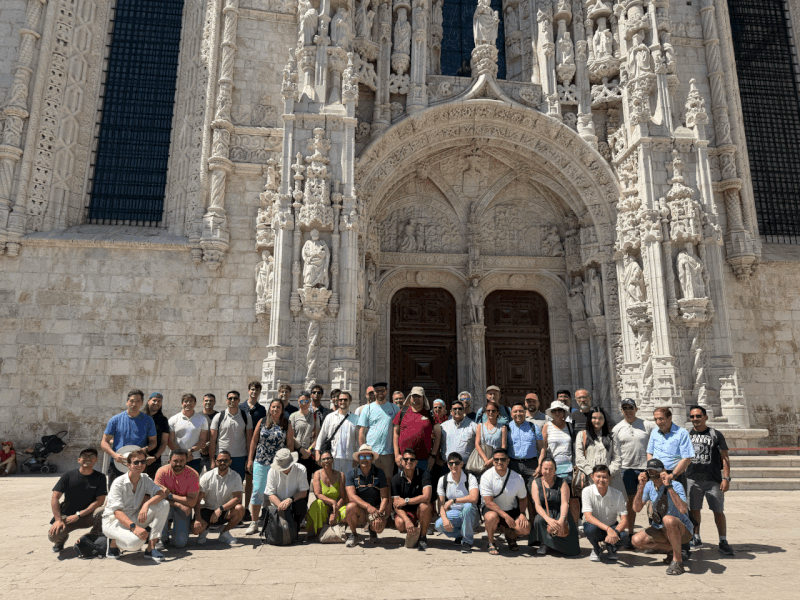
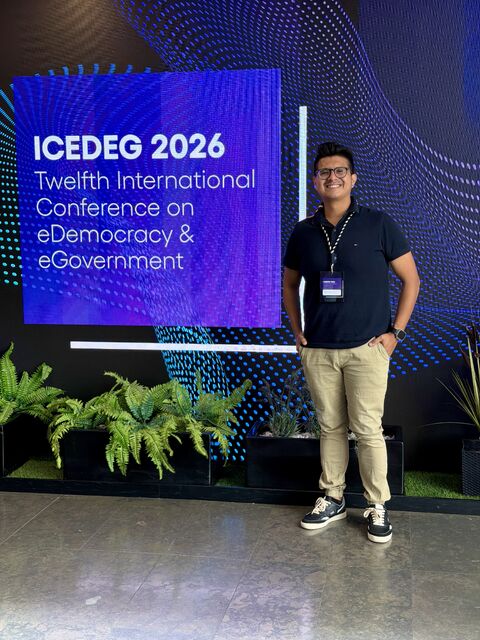
What started as a proof-of-concept quickly matured into tangible, shareable insights. We were thrilled to present the initial findings of this collaboration in July at the ICEDEG conference in Lisbon.
Building on those discussions, our work has now been officially published, marking a significant milestone for our team. Not only does this publication validate the technical approach we took, but it also opens the door wide for future innovations, deeper research partnerships, and advanced data-driven mobility solutions.
The article is now available in the IEEE Xplore Library, alongside other outstanding papers from ICEDEG 2026.
I’d like to thank the management of Viasuisse and my colleagues Luis Terán and José Mancera for the work and support in this research effort.
Abstract:
The availability of traffic and infrastructure data in Switzerland creates new opportunities for preventive road safety analysis, while simultaneously posing challenges due to heterogeneous data formats and unstructured textual reports. This work presents a reproducible data engineering and modeling framework that consolidates traffic event data from Swiss database monitoring systems into an analysis-ready source. A deterministic data cleaning and harmonization pipeline is implemented in Python, transforming raw exports into structured tables suitable for analysis and experimentation. Multiple machine learning algorithms are evaluated for automated event classification, establishing a baseline performance across alternative modeling approaches. Based on comparative evaluations, a random forest model is selected for its robustness and interpretability in handling mixed structured and textual-derived features. To enhance semantic interpretation and scalability, the outputs of the classification pipeline are subsequently integrated with a locally deployed large language model using Ollama. This hybrid architecture enables systematic analysis of thousands of Swiss traffic incident reports, supporting the identification of recurring patterns and latent risk factors associated with accident occurrence on Swiss roads.
Some impressions:


Leave a comment